Multi-Phase Tampa Condominium Conversion Yields Gross MOIC of 1.9x
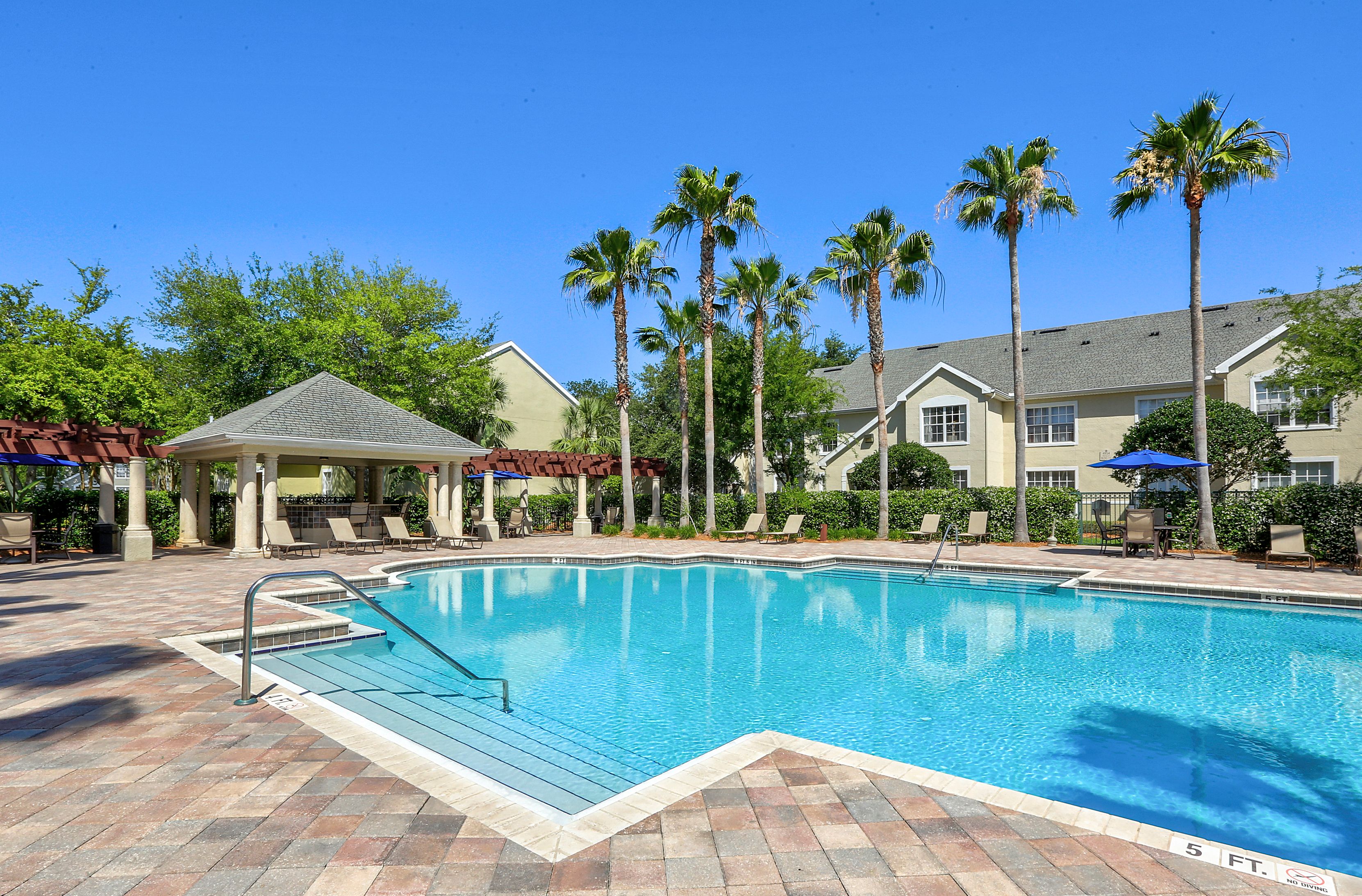
Long‑term phased execution and opportunistic acquisitions transform a fractured condo community into a fully controlled asset.
Overview
Lansbrook Village, a fractured condominium community in Tampa, Florida, presented a complex but compelling opportunity for RMR Residential. Originally developed as a multifamily rental community in three phases between 1998 and 2004, the property had been acquired by a condo converter in the mid‑2000s. The conversion effort was ultimately unsuccessful, leaving behind a partially fractured ownership structure and a challenging operational environment. In March 2014, RMR Residential acquired 571 units from Waterton for $58.6 million, recognizing that the fractured nature of the property - while operationally cumbersome - created an opportunity to add value through strategic acquisitions and long‑term consolidation.
Over nearly a decade, RMR Residential executed a multi‑stage strategy to acquire discounted units, recapitalize the asset at critical junctures and bring new joint venture partners into the opportunity as the business plan evolved. This disciplined and patient approach culminated in full ownership of 774 units and multiple successful sale/recapitalization events that generated strong returns across successive fund vehicles.
Phase one: Initial acquisition and early value creation
2014-2017
At acquisition, Lansbrook Village comprised 571 apartments spread across three development phases. Recognizing that the fractured structure limited operational control, RMR Residential began acquiring additional condominium units when available at attractive discounts. The team also undertook light renovations on 60 units to enhance marketability and strengthen rent growth. These early improvements supported cash flow while setting the stage for deeper value creation through unit aggregation.
Over the first three years of ownership, RMR Residential purchased an additional 51 units at a discount, increasing total ownership to 622 units. By 2017, when a joint venture partner expressed interest in exiting the investment, RMR Residential saw significant remaining upside in continued unit aggregation and operational control. Rather than pursuing an early sale, the team chose to recapitalize the property - transitioning it from Fund III to Fund IV - and brought in a new joint venture partner. This strategic recapitalization generated a gross IRR of 30% and a gross MOIC of 2.1x within just 3.1 years.
Phase two: Consolidation and recapitalization
2017-2021
Following the 2017 recapitalization, RMR Residential expanded its acquisition efforts. The team continued purchasing individual condo units as they came to market, again at discounted prices. Between 2017 and mid‑2021, RMR Residential acquired an additional 122 units, increasing the total to 750. In mid‑2021, the JV partner sought liquidity. Given the ongoing unit aggregation strategy and meaningful remaining value, RMR Residential again opted not to pursue a broad market sale. Instead, leveraging its strong relationship with the partner, the team executed an off‑market recapitalization into Fund VI and brought in a new JV partner aligned with the remaining business plan. This transaction delivered a gross IRR of 36% and a gross MOIC of 3.3x over a 4.2‑year period, further demonstrating the strength of the phased approach.
Phase three: Final acquisition & disposition
2021-2023
Between July 2021 and July 2023, the team acquired the remaining 30 units at discounted pricing, ultimately achieving full ownership of all 774 condominium units. With 100% control finally secured after nearly a decade of disciplined execution, the property was positioned for sale. The final disposition generated a gross IRR of 37% and a gross MOIC of 1.9x within only two years, reflecting both the value created from complete aggregation and the strategic timing of the sale.
Link copied to clipboard!
More from across the RMR platform.
Explore additional insights, analysis and case studies that expand on the strategies, sector trends and real‑world execution underpinning RMR’s approach to value creation.
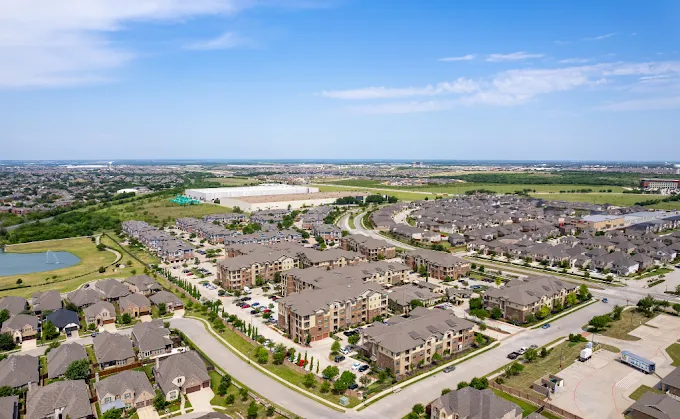
Strong Revenue Management Bolsters Floundering Dallas Property
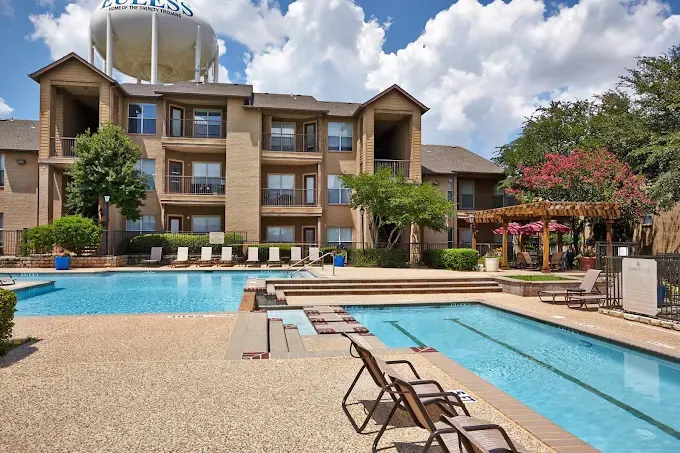
Sustainability Initiatives at 28-Property Portfolio Generate Gross IRR of 37%
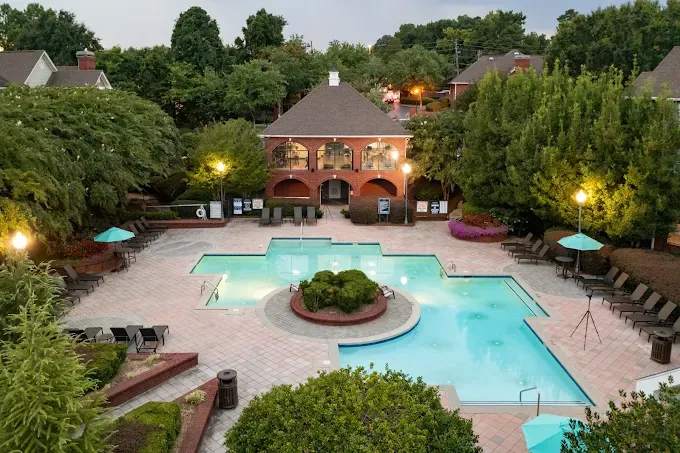
Successful Renovation Execution Drives 18% Gross IRR for Atlanta Community
Unlocking Performance Across Key Sunbelt Portfolio
Success Value-Add Renovation in Suburban Florida Drives 30% Gross IRR
Transforming Parking Operations at 935M by ARIUM

The RMR Group turns overlooked assets into outperformance. With ~$40B under management, 1,000+ real estate experts and a 40-year track record, we don’t wait for the market — we shape what’s next, because Potential isn’t patient.


The Firm
Businesses
Our Platform
Insights
The RMR Group turns overlooked assets into outperformance. With ~$40B under management, 1,000+ real estate experts and a 40-year track record, we don’t wait for the market — we shape what’s next, because Potential isn’t patient.
Copyright © 2026 The RMR Group
Copyright © 2026 The RMR Group