Building the Future of Engineering Talent at RMR
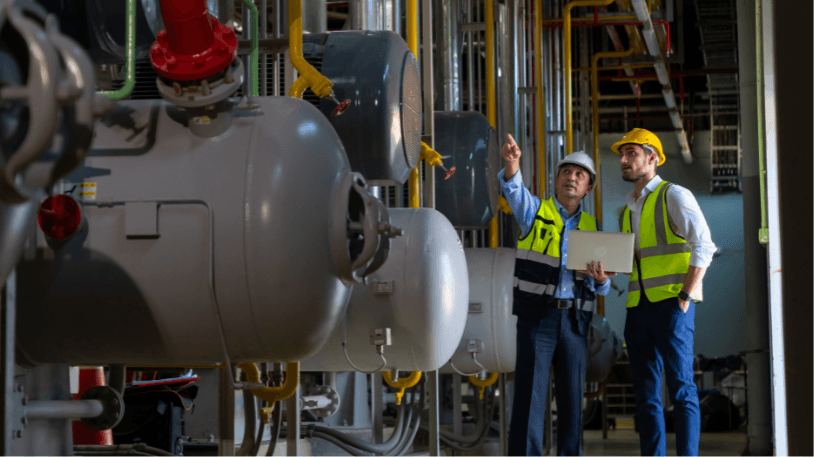
Commercial real estate faces a growing workforce challenge. As experienced building engineers retire and fewer workers enter the skilled trades, the industry is confronting a widening talent gap with implications for building operations, tenant service and asset performance.
Recognizing the growing need for skilled engineers, RMR launched its Engineering Development Program (EDP) in 2019. Designed to create a structured pathway into the profession, the program helps develop the next generation of building engineers while supporting long-term workforce planning across RMR’s portfolio. “We saw the need to invest in talent before it became a larger industry challenge,” said Casey Guittar, Senior Director of National Engineering. “The program helps us build a sustainable pipeline of engineering talent while preserving the operational expertise our properties depend on.”
The program also reflects one of RMR’s core strengths: its vertically integrated operating model. Rather than relying exclusively on external hiring, RMR develops talent within its own operating environment. Engineering apprentices are immersed in RMR’s standards, systems, processes and service philosophy from the outset, gaining hands-on experience alongside seasoned professionals across the portfolio.
A purpose-built program for real-world success
The EDP combines classroom instruction, certifications, on-the-job learning and experience in active buildings. Rather than an internship or job-shadowing opportunity, apprentices join a structured, multi-year career development program with defined milestones, accountability and a clear path into full-time engineering roles. The program includes:
- Structured onboarding and safety training to establish a strong foundation before entering the field.
- Classroom instruction and certifications covering building systems, equipment operations, maintenance practices and industry best practices.
- Hands-on experience across building systems, including HVAC equipment, electrical systems, plumbing, controls and life-safety infrastructure.
- Exposure to diverse asset types, including office, medical office, industrial, hospitality residential and retail, helping apprentices become well-rounded engineers rather than specialists in a single environment.
- Day-to-day participation in property operations, from preventive maintenance and tenant service requests to inspections, capital projects and operational troubleshooting.
- Ongoing mentorship from experienced engineers, ensuring knowledge is transferred through direct observation, coaching and real-world problem solving.
- Professional skill development, including communication, teamwork, accountability, customer service and critical thinking, all of which contribute to tenant experience.
Why it matters: From talent strategy to asset performance
While the EDP was originally created to solve a workforce challenge, its impact extends far beyond staffing. CRE organizations across the country are competing for a shrinking pool of engineering talent. RMR's approach allows the company to develop engineers internally, reducing hiring risk while creating a reliable and scalable pipeline of future talent.
Since its founding in 2019, the program also plays an important role in:
- Succession planning. Many of the organization's most experienced engineers have spent decades in the profession. The program ensures that expertise is transferred before retirements occur, creating continuity across engineering teams and reducing operational risk.
- Creating consistency. Engineers who graduate from the program already understand RMR's systems, processes, service expectations and culture. Because they have been trained within the same operating environment where they will ultimately work, they are prepared to contribute immediately while helping maintain portfolio-wide standards.
- Maintaining high-performing assets. Better-trained engineering teams support stronger preventive maintenance programs, faster issue resolution, improved tenant responsiveness and more reliable building performance. That consistency ultimately contributes to stronger outcomes across the portfolio.
Mentorship and culture
At the heart of the program is mentorship. Apprentices are paired with experienced engineers who serve as teachers, coaches and role models.
For Bryce Whittaker, a recent program graduate, that mentorship proved invaluable. After transitioning from a retail career into facilities management, he found himself learning directly from veteran engineers who were invested in his success. Having immediate access to someone who could provide guidance and help him navigate challenges accelerated both his confidence and development.
For mentors, the experience has been equally rewarding. Steve Churchill, Area Chief Engineer and Bryce's mentor, notes that mentorship sharpened his own leadership skills and required him to bring additional focus, planning and structure to his work. What began as a teaching opportunity ultimately became a development opportunity for the mentor as well.
According to Guittarr, one of the program's most valuable unforeseen benefits has been leadership development among mentors. Many experienced engineers who had limited exposure managing employees discovered a passion for coaching and demonstrated strong leadership capabilities through the mentoring process, creating an additional pathway for talent development within the organization.
Results and impact
Since launching in 2019, the program has achieved a 100% placement rate for graduates into full-time engineering roles within RMR. It has also established a pipeline of talent already familiar with the company's operations and standards. Property teams benefit from stronger succession planning, workforce continuity and operational consistency.
Also impactful is the culture of continuous learning the program promotes. While experienced engineers pass along technical expertise through mentorship, apprentices bring fresh perspectives, introducing new technologies and digital tools that help teams modernize processes and improve efficiency.
Whittaker offers a strong example. During his apprenticeship, he helped digitize engineering resources, organize building documentation, create electronic mapping systems for fire and life-safety equipment, modernize safety recordkeeping and support technology transitions across multiple properties. What began as individual initiatives ultimately became new operational standards adopted more broadly by his team.
Looking ahead
The Engineering Development Program remains a cornerstone of RMR’s long-term workforce strategy. We are focused on expanding opportunities within residential operations and providing apprentices with exposure to an even broader range of classes. The goal, however, remains the same: to develop highly-skilled, well-rounded engineers equipped to support the evolving needs of a growing platform.
While building engineers may not always be the most visible professionals in commercial real estate, they are among the most essential. They keep buildings safe, healthy and operational. They solve problems before tenants notice them. They help extend the life of critical equipment and support the performance of some of the industry's most important assets.
The Engineering Development Program reflects a simple belief: operational excellence begins with people. By investing in mentorship, knowledge transfer and workforce development, RMR is doing more than preparing the next generation of engineers. It is strengthening the foundation that will power portfolio performance for decades to come.
Link copied to clipboard!

The RMR Group turns overlooked assets into outperformance. With over $37 billion assets under management, 800+ real estate experts and a 40-year track record, we don’t wait for the market — we shape what’s next, because Potential isn’t Patient.


The Firm
Businesses
Our Platform
Insights
The RMR Group turns overlooked assets into outperformance. With over $37 billion assets under management, 800+ real estate experts and a 40-year track record, we don’t wait for the market — we shape what’s next, because Potential isn’t Patient.
Copyright © 2026 The RMR Group
Copyright © 2026 The RMR Group