Executive Q&A: A Fresh Look at Multifamily Investing
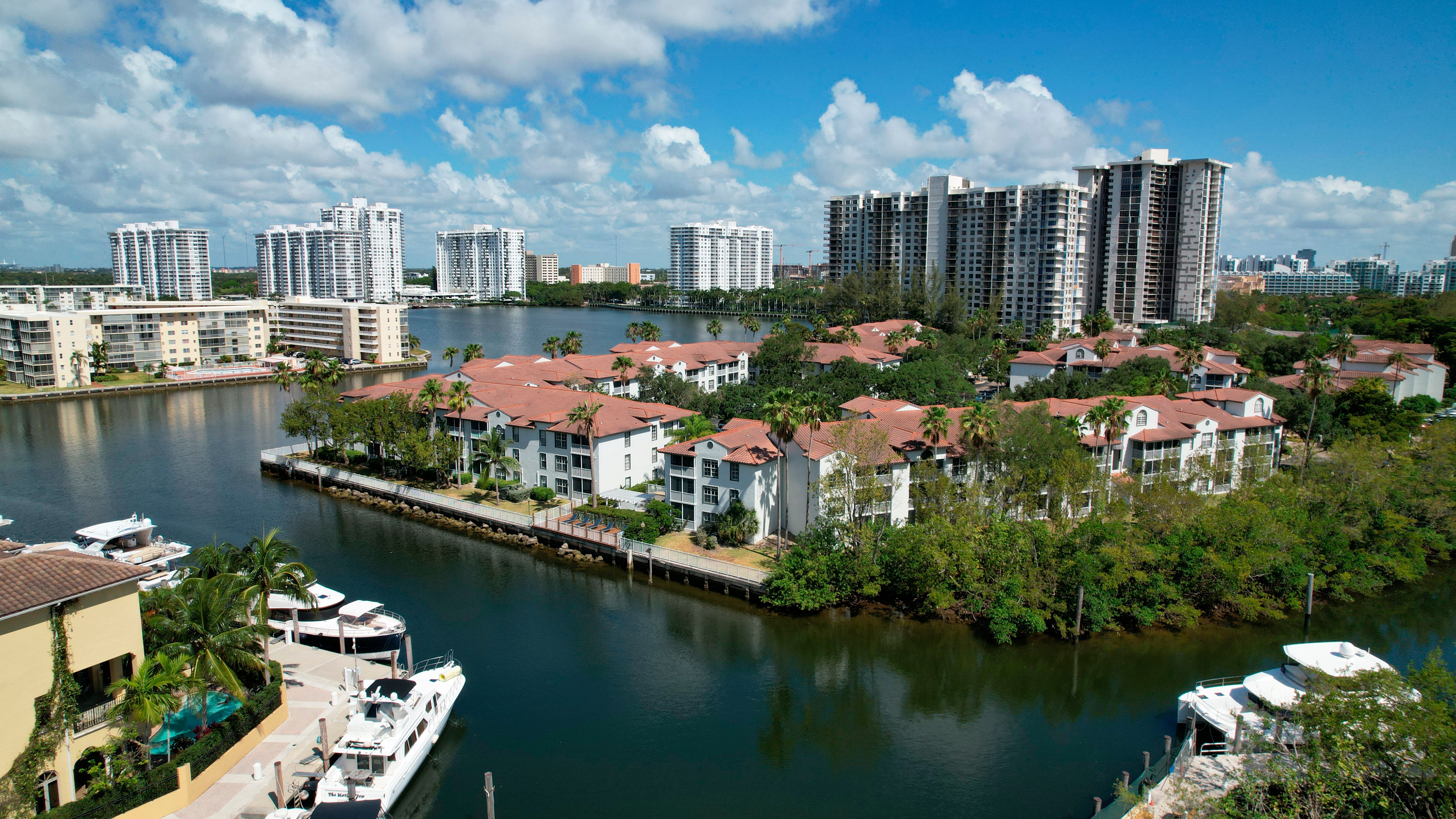
In a recent interview with PERE, Matt Jordan, Chief Operating Officer of RMR Group, discussed the market dynamics shaping multifamily investment today, including the ongoing housing shortage, homeownership affordability challenges, slowing construction starts and the increasing importance of active operations. Below is a snapshot of their conversation. To read the full article, click here.
Q: What are the greatest tailwinds for investment in the multifamily rental sector?
Matt Jordan: We believe the market has reached a low point, creating opportunities for future growth. New construction and development starts have slowed significantly, while many assets are trading below replacement cost. Over time, this dynamic is likely to reduce new supply meaningfully.
At the same time, the rent versus own differential remains highly favorable. Cultural attitudes have shifted, with more people comfortable renting for longer periods. When combined with the structural housing shortage, these trends continue to support a large, stable renter population.
Resident retention is another important tailwind. A strong brand and operating platform can improve retention, reduce turnover-related losses and support durable cash flow over time.
Q: Multifamily development surged during the pandemic. How is the market different today than it was in 2020?
Matt Jordan: In 2020, investors could acquire a multifamily community and benefit from strong rent growth with little to no additional investment. That environment has changed.
We are unlikely to return to a near-zero interest rate environment in the near term, and success today requires a more disciplined, operationally focused approach. Investors need a brand that resonates with renters, a vertically integrated platform and a clear strategy for creating value on a daily basis.
Q: With multifamily acquisition prices significantly below replacement cost, what should investors with dry powder consider?
Matt Jordan: Today, investors are looking for partners with vertically integrated platforms that can clearly demonstrate how value will be created.
We target properties where prior ownership has not made meaningful improvements to curb appeal, amenity spaces or unit interiors. Through our in-market expertise, proprietary analytics and ARIUM operating brand, we identify opportunities where targeted upgrades can support stronger occupancy, steady rent growth and attractive returns over time.
Q: How important is active asset management in generating alpha for investors, and what areas should investors focus on?
Matt Jordan: In many cases, the opportunity is within the community itself, from amenity upgrades to unit renovations that help close the gap between in-place rents and market levels.
Our operating platform and scale also enable efficiencies across services, leasing, resident support and marketing. As renter behavior continues to shift toward AI-driven search and discovery, we leverage the ARIUM brand to generate demand more efficiently, especially in markets where we operate multiple communities.
Q: How are AI and emerging property technologies figuring into the multifamily housing sector?
Matt Jordan: AI is fundamentally changing how we operate. We’ve made significant investments in our technology stack, data capabilities and AI resources, with a focus on enhancing investment decision-making and delivering greater strategic value to our partners.
Commercial real estate has historically lagged in technology adoption, and we view our continued technology investments as a competitive advantage.
The original article was published in PERE. Read the full article here.
Link copied to clipboard!
More from across the RMR platform.
Explore additional insights, analysis and case studies that expand on the strategies, sector trends and real‑world execution underpinning RMR’s approach to value creation.
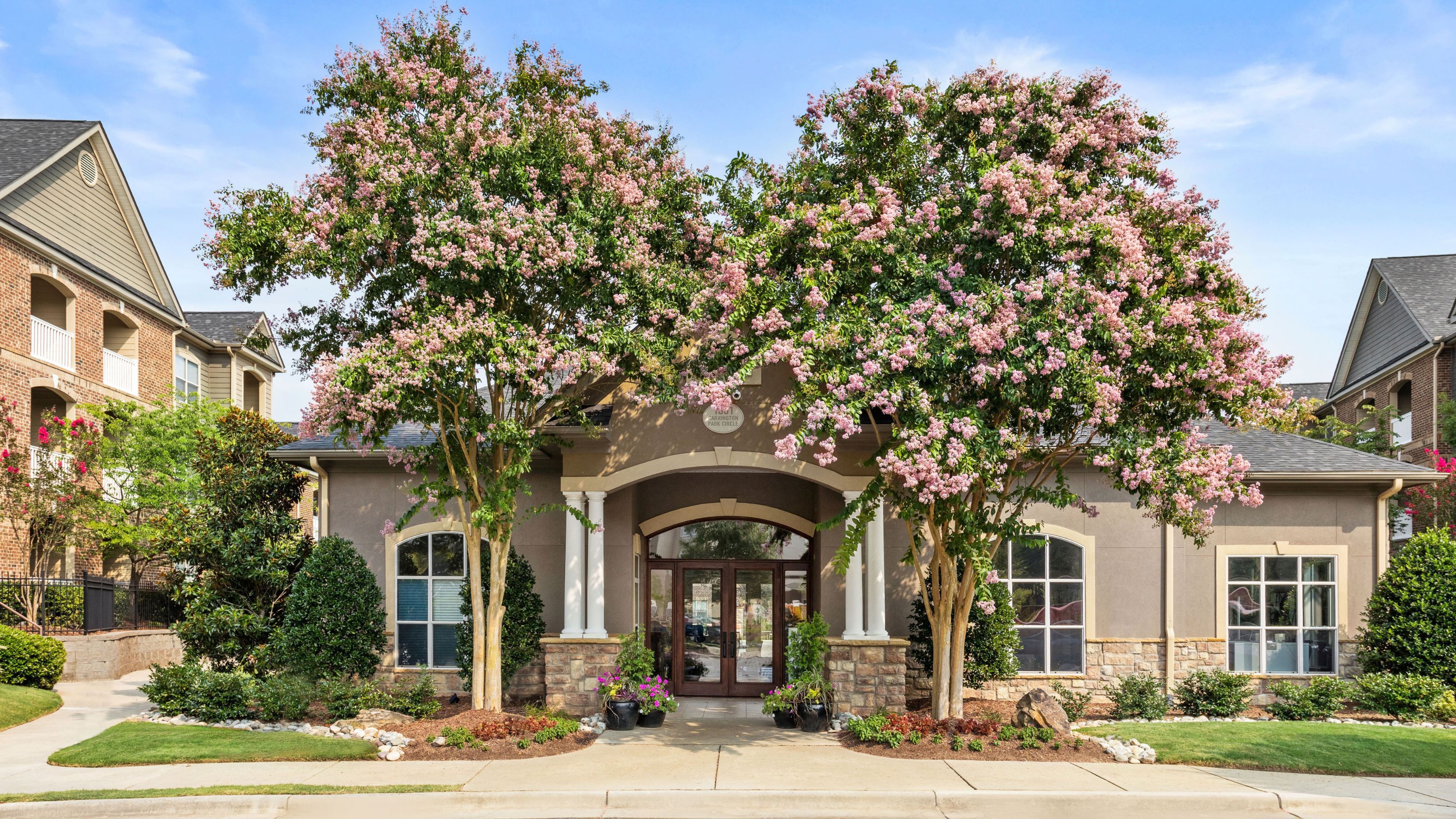

The RMR Group turns overlooked assets into outperformance. With over $37 billion assets under management, 800+ real estate experts and a 40-year track record, we don’t wait for the market — we shape what’s next, because Potential isn’t Patient.


The Firm
Businesses
Our Platform
Insights
The RMR Group turns overlooked assets into outperformance. With over $37 billion assets under management, 800+ real estate experts and a 40-year track record, we don’t wait for the market — we shape what’s next, because Potential isn’t Patient.
Copyright © 2026 The RMR Group
Copyright © 2026 The RMR Group